Sub Menu Here
Our newest division, Life Science and Surfactants, has felt the ever-increasing popularity of choosing safer methods of tanning with strong interest in dihydroxyacetone – a key ingredient in fake tanning products.
The appeal of ‘fake bakes’ shows no sign of slowing in a market that is currently worth more than £580m and is growing at a rate of 4.3% annually. Consumers are seeking quick, sun-kissed skin without the health risks associated with UV when sunbathing or using tanning beds.
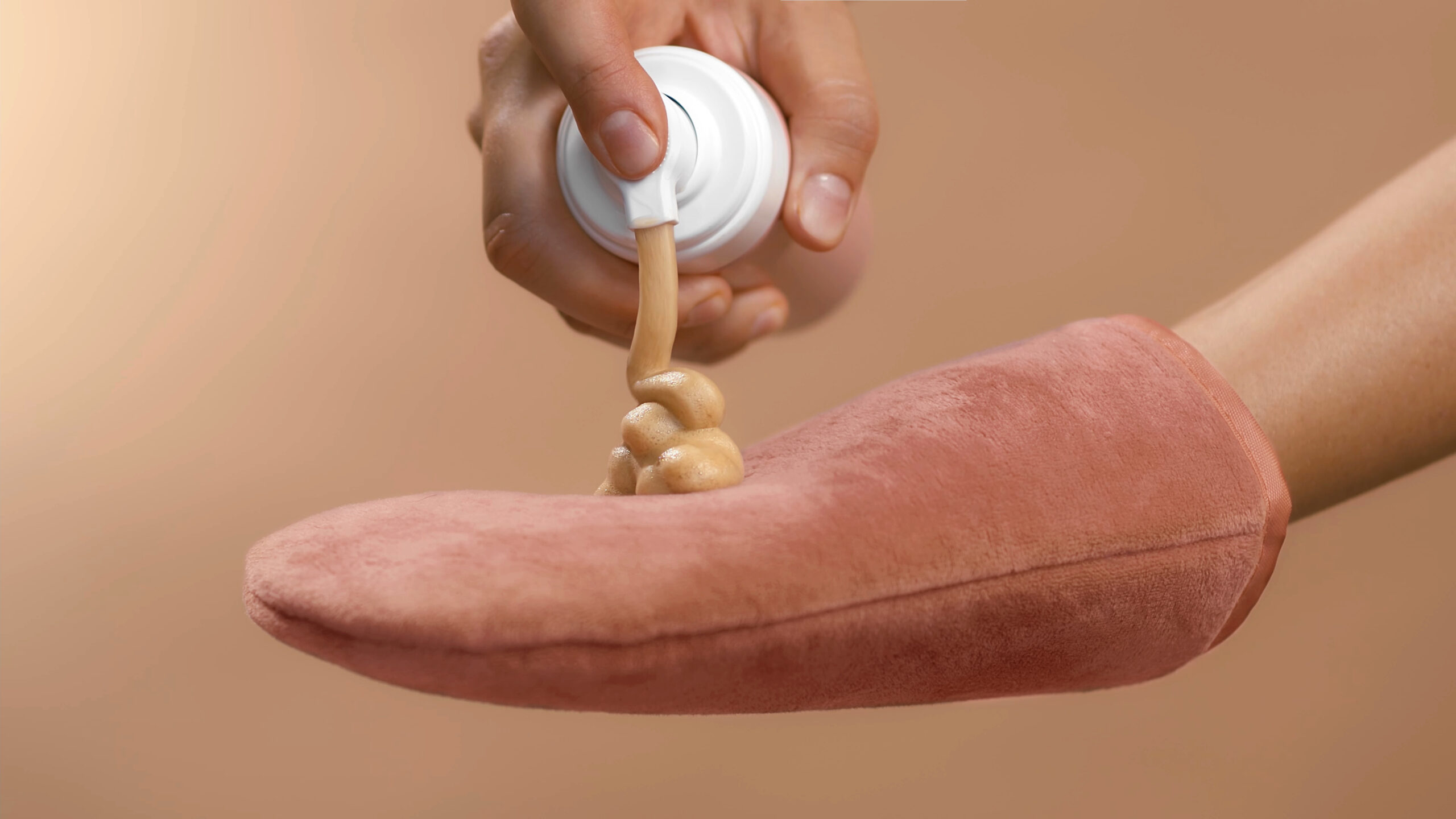
Many want to combine tanning with products that also care for their skin, such as those with ingredients including hyaluronic acid and vitamin C. These types of fast-acting glow solutions include face sheets and wipe off formulas.
Consumers are also increasingly concerned with how eco-conscious their choices are and their provenance, with 73% demanding more information on how products are made and 35% happy to pay more money for products that are kinder to the environment.
Dihydroxyacetone (or DHA) is a natural plant-derived product often made from sugar cane. It is the main active ingredient in self-tanning sprays, lotions, gels, wipes and mousses.
DHA acts as a colour additive. When applied to the skin, it creates a reaction with the amino acids in keratin, found in the skin’s outer layer.
This reaction produces melanoidins, a type of pigment, which stains the skin with shades of brown. Melanoidins closely resemble melanin, the natural substances deep in the skin that turn brown when exposed to the sun’s ultraviolet rays.
The skin browning effect caused by DHA (a ‘Maillard reaction’) is completely sunless, and takes effect around two hours after application, continuing to develop for up to 24 hours.
Some bronzers contain pigment that coats the skin, but DHA actually causes a colouration on the skin’s surface, and so is longer lasting and more robust to abrasion.
Products with DHA can be called ‘topical sunless tanners’ and ‘temporary bronzers’.
DHA is considered to be the most effective sunless tanning additive. It can be found in over-the-counter products in concentrations between 3 and 5%, and in professional products in concentrations between 5 and 20%. It can be used alone or in combination with other bronzing agents.
DHA has been approved for topical skin applications by the FDA in the US, the Canadian Health Ministry and most EU member states. It has rapidly become the go-to, safe ingredient choice in self-tanning products.
For more information on our dihydroxyacetone and other staple ingredients in the personal care market, visit our Life Science and Surfactants division.